
Introduction
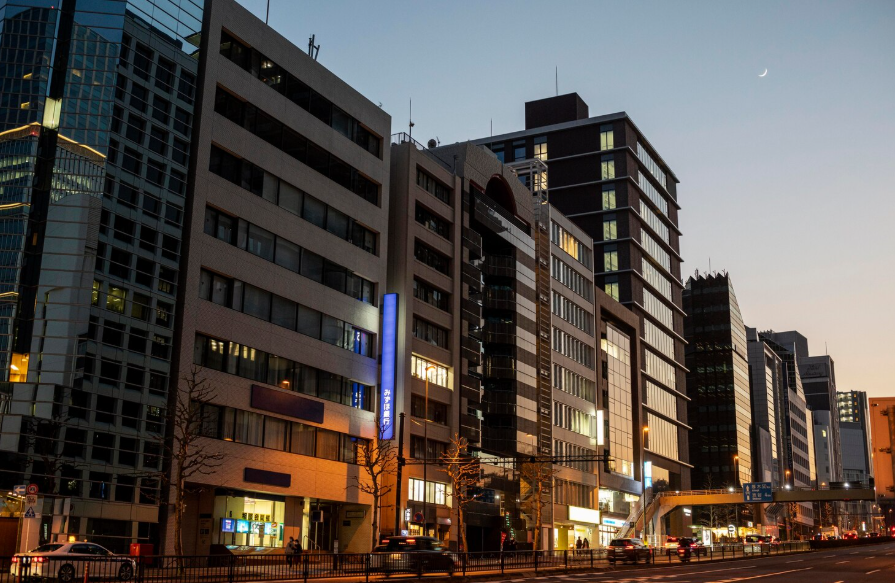
Urban development plays a vital role in shaping modern cities, creating sustainable communities, and improving the quality of life for residents. Effective urban development involves careful planning, adherence to policies, and the implementation of best practices to ensure balanced growth. Understanding the key aspects of urban development is essential for planners, investors, and policymakers.
Importance of Urban Development
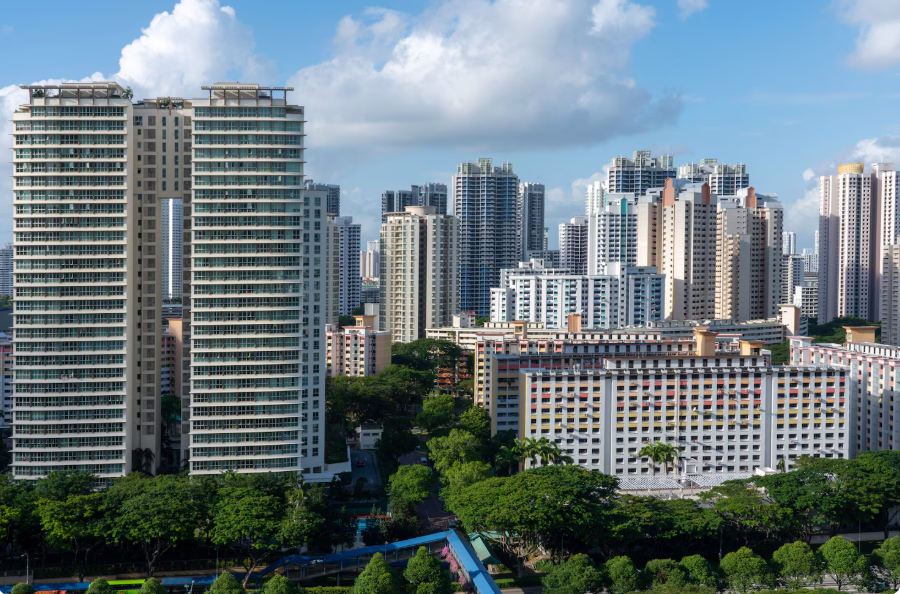
Urban development drives economic growth, infrastructure improvement, and social well-being. Well-planned cities provide better housing, transportation, healthcare, education, and recreational facilities. Sustainable urban development ensures efficient use of resources, reduces environmental impact, and enhances livability for communities.
Planning Strategies in Urban Development
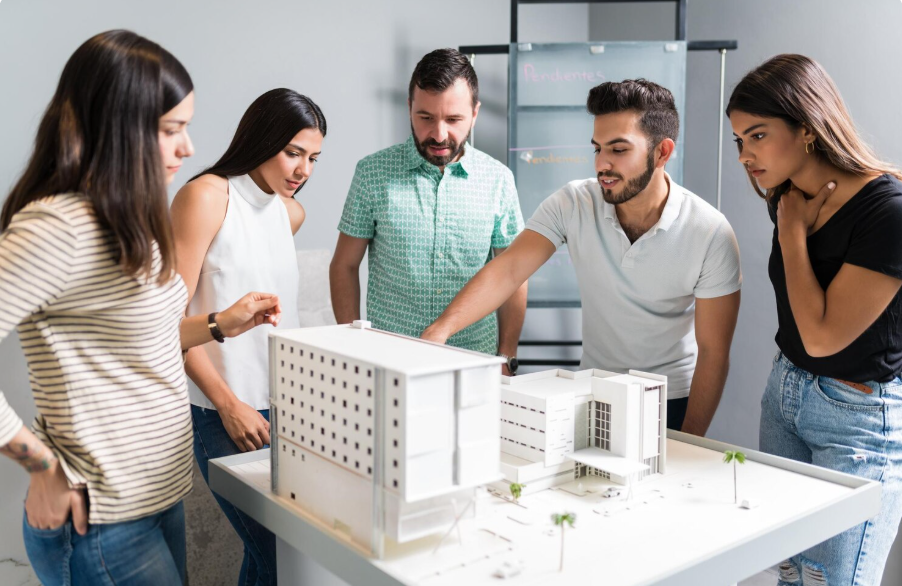
Proper planning is critical in urban development. Strategic land use, zoning regulations, and infrastructure planning ensure that cities grow efficiently. Urban planners must consider population density, traffic management, green spaces, and public amenities when designing urban areas. Planning also involves forecasting future needs to accommodate population growth and technological advancements.
Urban Policies and Regulations
Policies and regulations guide urban development and ensure compliance with environmental, legal, and social standards. Government policies related to housing, transportation, environmental protection, and zoning play a significant role. Understanding and implementing these regulations is essential for developers, planners, and investors to avoid legal issues and ensure sustainable urban growth.
Sustainable Practices in Urban Development
Sustainability is a key focus in modern urban development. Incorporating energy-efficient buildings, renewable energy sources, waste management systems, and green infrastructure promotes environmental responsibility. Sustainable urban development reduces carbon footprints, conserves natural resources, and creates healthier living conditions for residents.
Infrastructure and Transportation
Infrastructure and transportation are central to successful urban development. Efficient roads, public transport systems, water supply, sanitation, and communication networks enhance connectivity and quality of life. Urban development plans must prioritize infrastructure to support population growth and ensure smooth functioning of city services.
Role of Technology
Technology is transforming urban development. Smart city solutions, data analytics, and digital mapping improve planning and decision-making. Technology enables better traffic management, energy efficiency, public safety, and citizen engagement. Integrating technological innovations into urban development enhances efficiency, sustainability, and overall city management.
Community Engagement
Urban development should prioritize the needs of residents. Community engagement ensures that development projects address social, economic, and cultural requirements. Public consultations, surveys, and participatory planning allow communities to contribute to decision-making, fostering inclusive and people-centric urban growth.
Investment Opportunities in Urban Development
Urban development offers significant opportunities for investors. Real estate, infrastructure, and commercial projects in growing cities can generate substantial returns. Identifying emerging urban areas, evaluating development potential, and aligning investments with city growth plans help investors capitalize on urbanization trends.
Challenges in Urban Development
Urban development faces challenges such as population pressure, traffic congestion, pollution, housing shortages, and resource constraints. Effective planning, policy implementation, and sustainable practices help overcome these challenges. Collaboration between government authorities, developers, and communities is essential for addressing urban development issues.
Conclusion
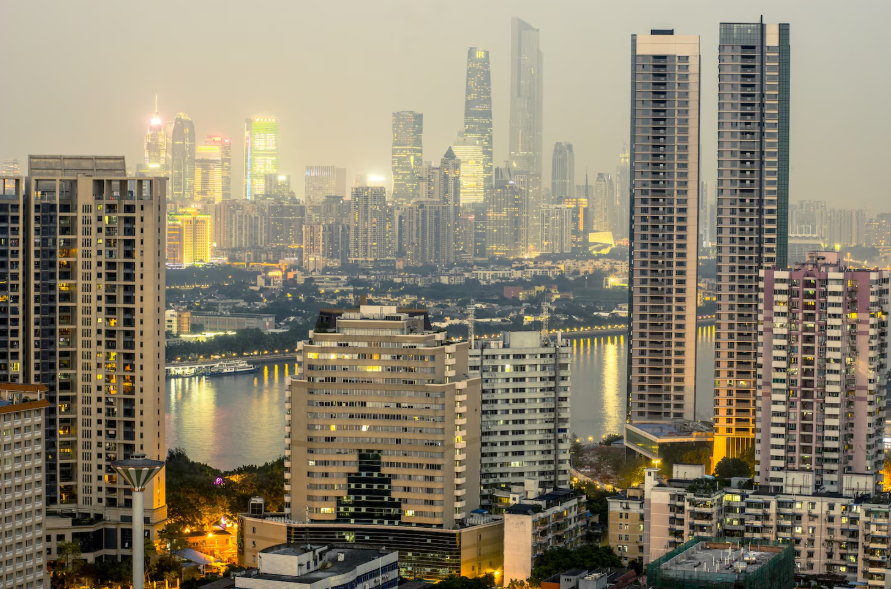
Urban development shapes the future of cities by improving infrastructure, housing, and community well-being. Through careful planning, adherence to policies, sustainable practices, and technology integration, urban development can create inclusive, efficient, and livable environments. Engaging communities, investing wisely, and addressing challenges ensures that urban growth is balanced, profitable, and sustainable. Following best practices in urban development allows cities to thrive and provides residents with a higher quality of life.


Leave a Reply